Interview: What is the significance of an industrial doctoral network around co-construction?
Written by Celia Consolini, with Hélène Join-Lambert
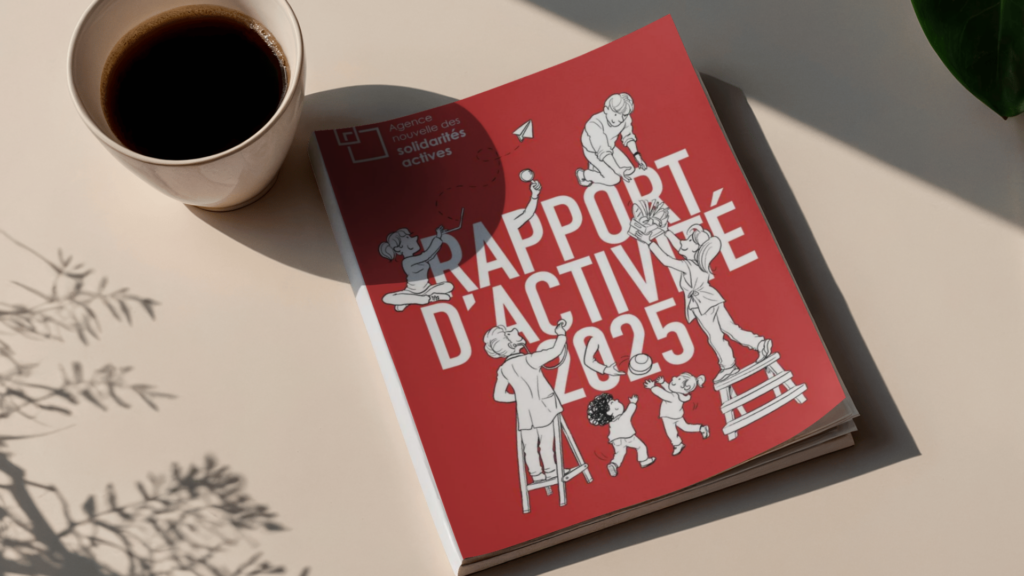
This article is translated from the annual report of Agence nouvelle des solidarités actives
(ANSA), originally posted here (in French). It is an interview of Celia Consolini, DC7, and her
academic supervisor Hélène Join-Lambert.
From September 2025 for a period of three years, ANSA will be hosting Celia Consolini, a PhD
student at the University of Paris Nanterre, as part of the EU-funded project “Co-construction in
the field of social welfare”. Her research focuses on the evaluation and dissemination of co-construction strategies in social services, with a particular emphasis on the participation of those
directly affected.
What does the Cocoso project involve?
Hélène: Citizens who engage with welfare systems often face one or more factors of inequality and vulnerability, which directly or indirectly hinder their participation in decision-making. The COCOSO research and doctoral training programme is designed to enhance the participation of those affected in decision-making at the level of social services and policies: service users, professionals, managers and decision-makers. Fifteen PhD students receive funding under the Marie Sklodowska-Curie Actions and work in close collaboration with, and under the supervision of academic partners from various disciplines, as well as partners from the social sector.
What are the benefits of joining a European-level programme?
Hélène: Although there is a shared desire for justice and democracy, the way in which the
concept of co-construction is understood varies from country to country. By exploring practices and frameworks of thought across different departments and countries, the aim is to highlight current developments and share opportunities for innovation.
Why do you think it is so important to involve researchers and those directly affected in
discussions about social policy?
Celia: At a time when there is widespread mistrust of institutions and democracy, and a crisis in the appeal of social work, it is important to question how we develop and implement social
policies. First and foremost, it is essential to recognise that the people we support have a great
deal to teach us about how services work – they are experts in social welfare. Creating collective spaces to design and implement social policies makes them more effective and better aligned with people’s needs, particularly those who are most often excluded from decision-making forums. This co-construction transforms society and services, but also the individual, who forges new connections, develops or consolidates skills, and strengthens their ability to influence decisions that affect them.
Hélène: The scientific approach, for its part, aims to clearly identify what we are talking about,
what the different existing perspectives are, in what ways and why they do not coincide, and
what the major obstacles and levers are that facilitate co-construction processes.
What is the value of the UPN’s partnership with ANSA within the Cocoso project?
Celia: The involvement of those directly affected has been encouraged for many years, but has
not always been put into practice. We must continue to champion this participatory project and remove the obstacles so that the co-construction of social welfare can be implemented
effectively, systematically, and without leaving anyone behind. My research aims to identify
existing and innovative co-construction strategies within services, the barriers to their
dissemination, and to test their implementation. For three years, I will be fully integrated into the ANSA team, with whom I will spend half of my working hours.
This partnership between ANSA and the University of Paris Nanterre strengthens the links
between the world of research and the actions and actors on the ground. On the one hand, when we work together within a research framework, we ensure that the research addresses the expectations and challenges faced in the field. On the other hand, combining academic,
professional and experiential knowledge in the development of social action means moving
towards evidence-based policies, rooted in the needs of both those receiving support and those providing it.
What are the prospects for the COCOSO project over the next three years?
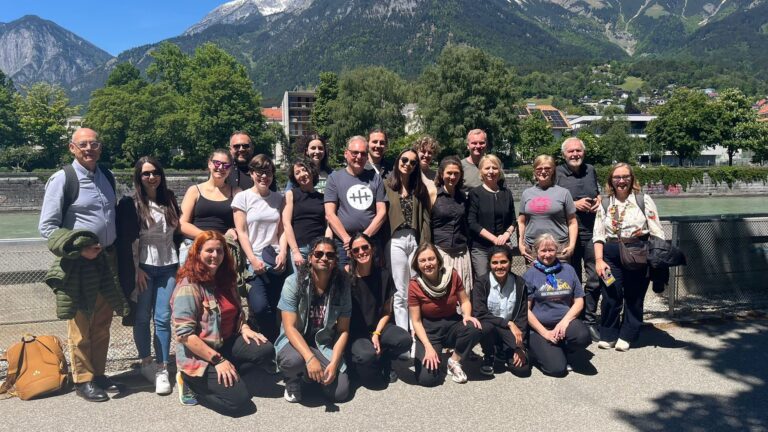
Hélène: The programme includes regular opportunities for the fifteen PhD students, working in ten different countries, to come together every six months. These sessions allow them to share their experiences and questions, and to return to the field with new ideas that will benefit the local partners. At the end of the programme, in November 2028, a conference is planned in Nanterre so that all partners can share their feedback on this research.