Towards more participatory research: Reflections from TheWorkshop2026 in India
Written by: Marco Lupoli; Photos: Courtesy of PraxisIndia
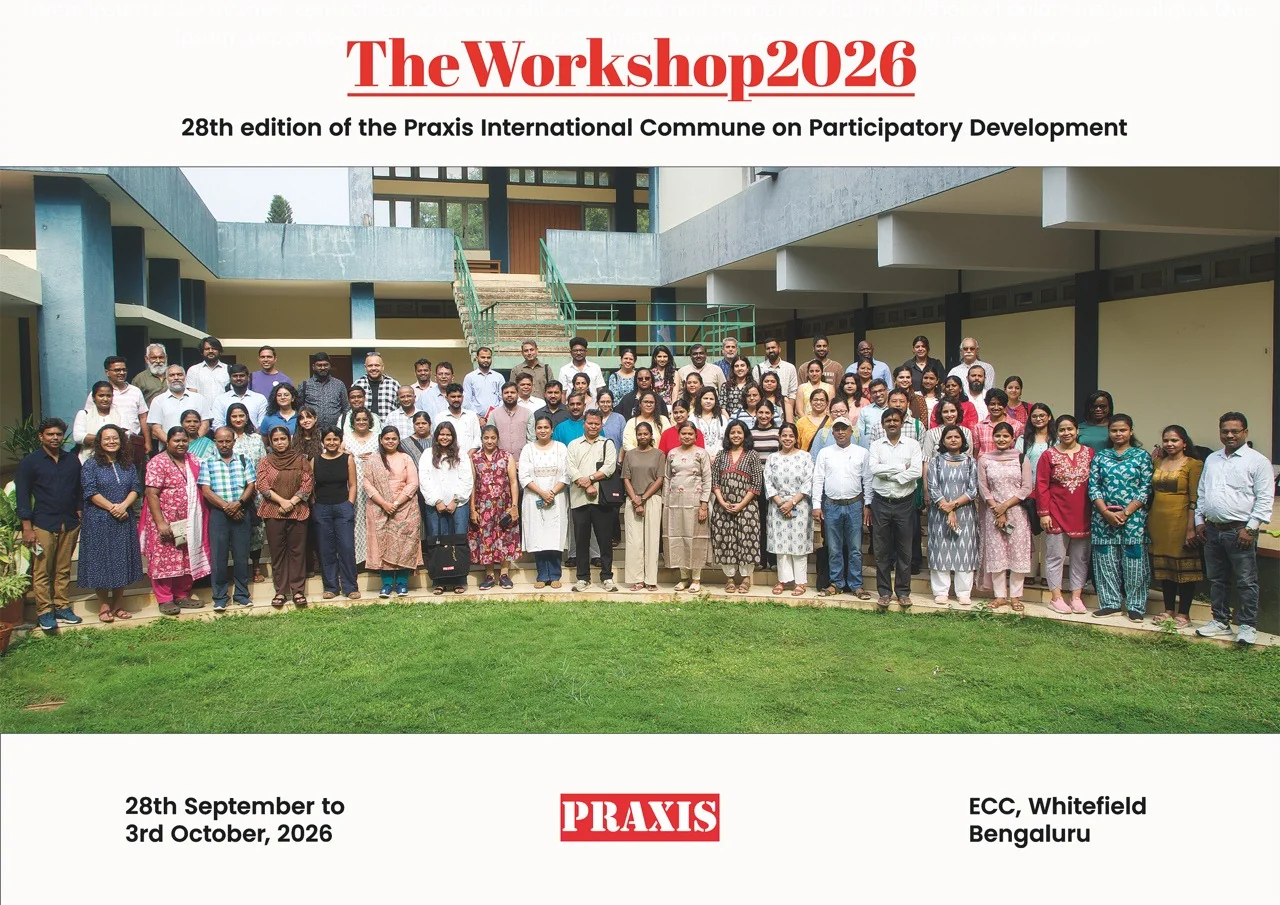
Last month, I travelled from Paris to Bengaluru to take part in the 28th edition of TheWorkshop, organised by Praxis India. TheWorkshop is an international training programme focused on participatory approaches to research, development and social change. First organised in 1990, the training takes place every year in October and brings together researchers, practitioners and development professionals to explore how participation can shape the way we understand and respond to social realities.
The event allowed me to explore and validate something I had been thinking about for a while: how can we design research methods that give research participants a more active and central role in the research process?
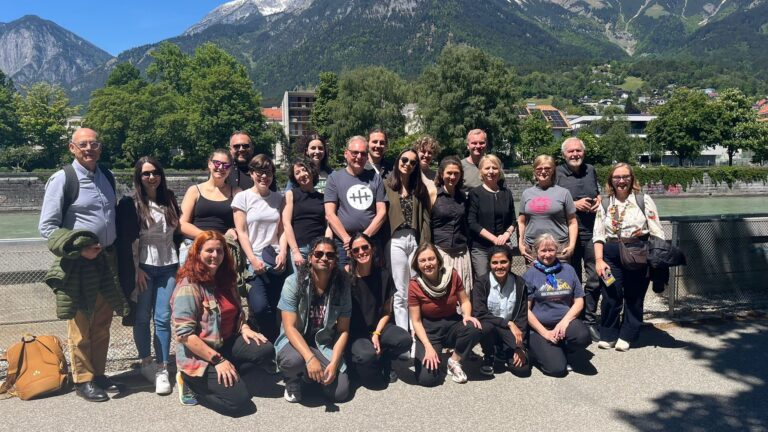
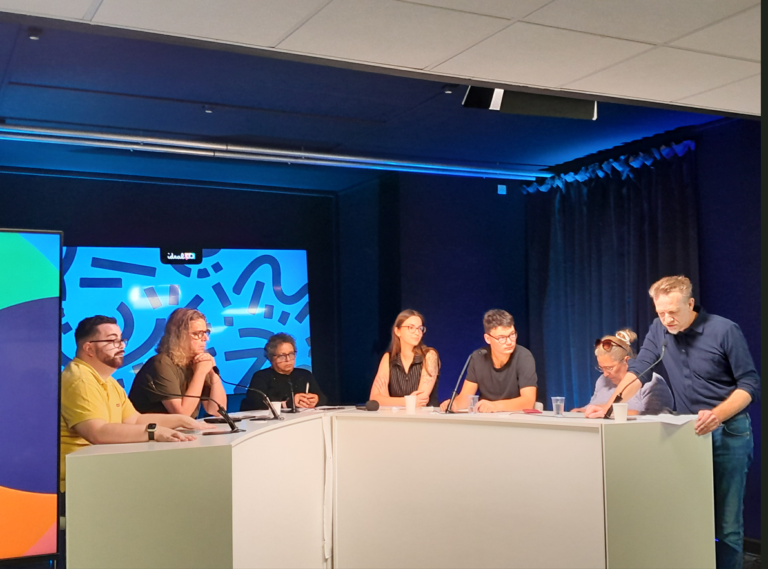
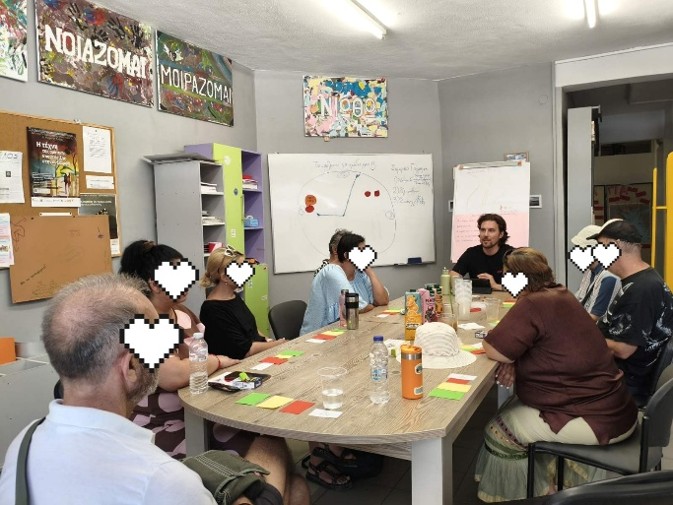
The training created a shared space for participants from different countries and backgrounds to exchange experiences, challenges and ideas. I was introduced to new international literature on participation, including global insights into the historical development of the concept. Over several days, we explored theoretical perspectives, ethical considerations, and put into practice tools and principles of Participatory Action and Learning (PAL), a methodology that brings people together to share knowledge, reflect on their realities, take action and learn from the process.
What particularly interested me was learning more about the possibility of designing research processes that also create opportunities for participants to develop their own skills and knowledge. This made me think about how research participants could become more actively involved in shaping the research itself, from identifying questions and generating knowledge to interpreting findings and deciding how they might be used.
An important lesson from this experience is that participatory research goes beyond research tools and techniques. It requires good communication, sensitivity to political, gender and cultural dynamics, and the ability to openly question assumptions about whose voices matter and who gets to participate. It also means questioning how power is distributed between researchers and participants, whose voices shape the research, and who has control over the production and interpretation of knowledge.
My days in Bengaluru continued to resonate as I returned to Paris, bringing new perspectives and a deeper appreciation of the relational nature of participatory research. Beyond the methods and tools we use, meaningful participatory research requires flexibility, curiosity and a willingness to adapt processes to the people involved, the knowledge they bring and the realities of the contexts in which they participate.